
Armenia Enters a New Phase in Secure Identity


The start of local production and personalisation of Armenia's new biometric identity cards and passports marks a new phase in the country's identity programme. Minister of Internal Affairs Arpine Sargsyan spoke to ID & Secure Document News™ about the partnership with IN Groupe, the procurement process and what the new credentials mean for citizens. For the Minister, document security is part of a wider ambition to change how the state delivers public services.
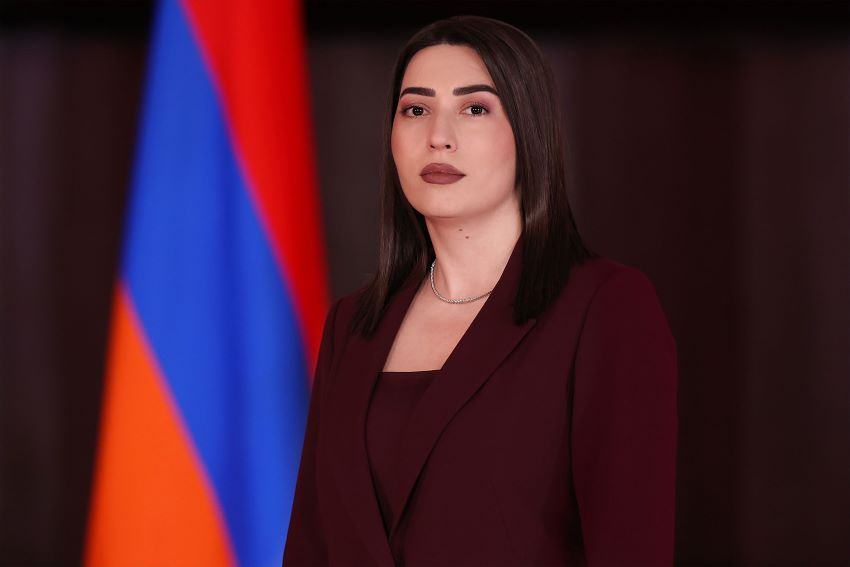
Q: What does the start of local production and personalisation mean to you and to Armenia's citizens?
A: This is the moment we have all been waiting for. After a thorough tender process, the past few months have been a rollercoaster. Together with our provider, IN Groupe, we were determined to meet an ambitious timetable and begin production in October.
I am proud that we have achieved that aim. Our citizens will now benefit from new secure identity credentials that also mark the starting point for a new era of public service in Armenia.
Q: Could you outline the programme and its objectives?
A: This is the first programme in Armenia to comply fully with the country's public-private partnership (PPP) legislation, and I am pleased that it concerns the introduction of new biometric identity credentials.
We signed the PPP agreement with our private partner in April 2025. Our objective is to introduce a new standard of public service delivery for Armenian citizens, in accordance with the highest international standards. We want to establish a modern identity ecosystem in which document security is central.
Q: How does the programme contribute to your vision of a modern and internationally connected state?
A: For us, the new biometric identity system is about modernising public institutions, strengthening trust between the state and its citizens, and setting a new benchmark for public services. It will introduce a different service experience for both Armenian citizens and foreign nationals.
It will also bring Armenia into closer alignment with internationally recognised standards and best practice, supporting stronger cooperation with private-sector partners and governments around the world.
I believe the benefits will extend beyond the Ministry of Internal Affairs and across the whole of public administration.
Q: How did public discussion and stakeholder engagement shape the project?
A: These documents represent an important change that will affect every Armenian citizen. Public debate and involvement were therefore essential. We want citizens to be proud of what we deliver.
The discussions held by IN Groupe and our team with the stakeholders involved, together with the public debate, helped clarify the scope of the programme. We believe that this contributed to a better outcome for Armenians.
Q: Why did Armenia select IN Groupe for this programme?
A: The PPP model helped us establish a more balanced procurement process. Before launching the tender, we assessed the international market extensively so that the procurement documentation would enable Armenia to identify the best solution for its citizens.
Market consultation allowed us to consider the views and expertise of relevant participants. We wanted to give bidders equal opportunities, encourage broad participation, and attract qualified proposals through a competitive process.
Five major international companies qualified for the tender. An inter-institutional evaluation commission assessed the proposals against criteria including technical compliance, proven international experience in secure identity, and the scope of the services proposed.
Considerable work went into the evaluation before IN Groupe was selected and the PPP agreement signed. Its proposal best met the objectives and expectations we had established at the outset. With production now under way, we have reached an important point in putting that decision into practice.
Q: What role will trustworthy identity play in digital government, public services and Armenia's resilience?
A: For many years, this sector did not receive the attention it deserved. A modern biometric identity system matters both to the state and to international cooperation.
With the system now operational, the government and citizens will begin to experience the difference. For the state, it is a step forward in institutional development. For citizens, it means a new quality of public service and stronger protection of their identity.
The system has been designed to minimise opportunities for identity fraud and document forgery. That should give citizens a greater sense of security while enabling Armenia to cooperate with other countries at a higher level of trust. We want Armenian citizens to benefit from that confidence and recognition when travelling abroad.
We are still at the beginning of an ambitious programme. This launch opens a new chapter, with further opportunities for Armenia in the years ahead.
Q: How are Armenia's cultural heritage and national symbols reflected in the documents?
A: Preserving our national identity and presenting it through the new documents has perhaps been the most emotional aspect of the project. When citizens open the passport and turn its pages, we want them to feel a sense of connection and belonging.
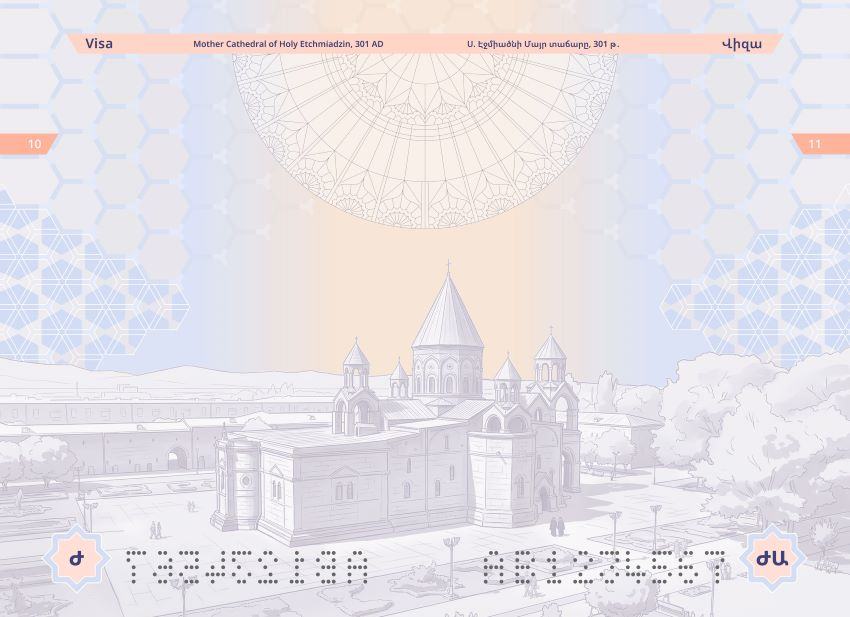
We have devoted considerable time and effort to selecting elements of our cultural heritage and ensuring they are represented appropriately in the passport design. The document presents Armenia and its identity to our citizens. When those citizens travel and interact with other countries, it also allows them to represent Armenia in that way.
Q: What is your assessment as the programme enters this new stage?
A: Our objective from the beginning has been to achieve excellence. I am pleased that our private partner has approached that ambition with patience. Through our joint efforts, we are working to provide Armenian citizens with the best possible solution in this field.
Get the IDN Weekly News delivered free to your inbox.